Booking choice: The small-group class by Belém, from $72 per person. Check dates Tour details
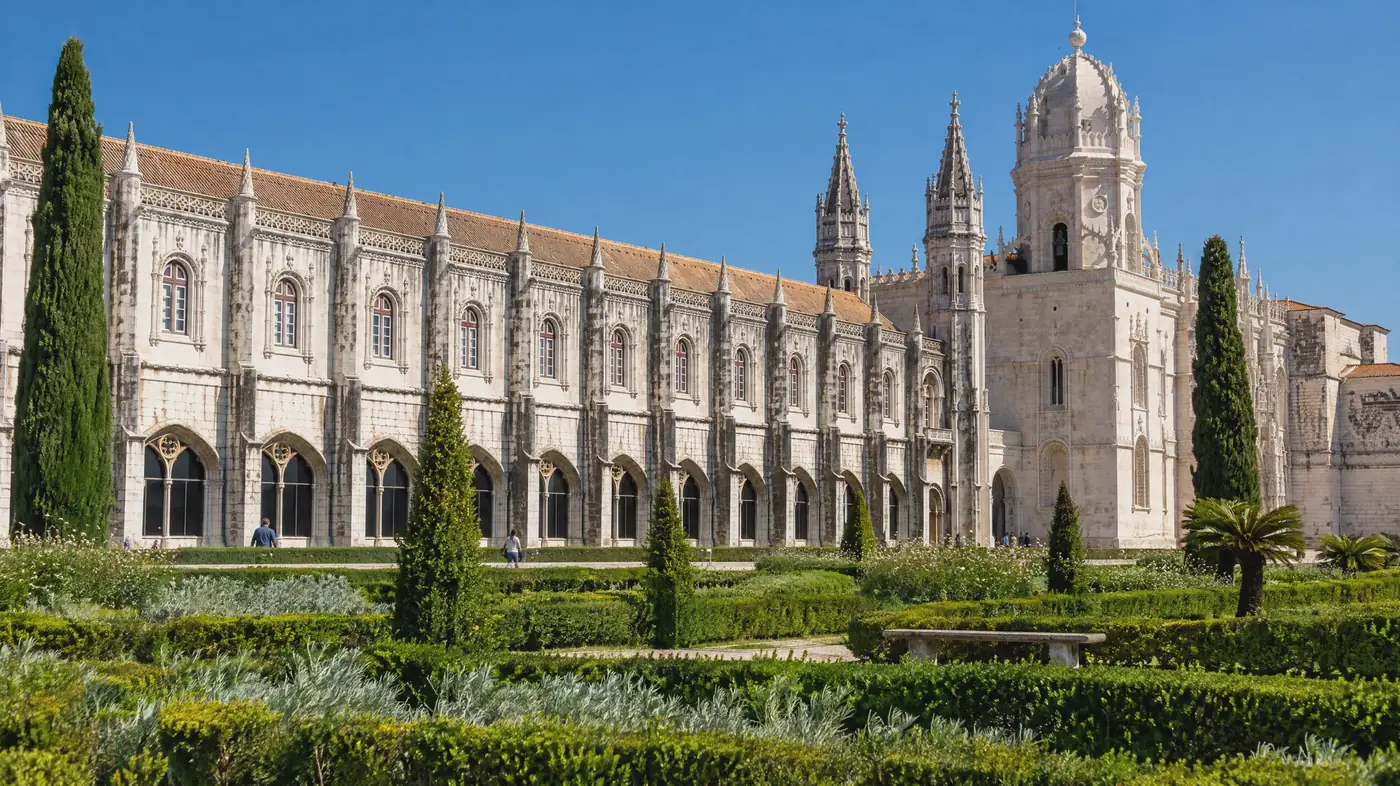
Ask in Lisbon and you will hear the same answer: a pastel de Belém is the tart from Pastéis de Belém, the bakery next to the Jerónimos Monastery. Everywhere else, from Manteigaria in Chiado to a café in Porto, the same kind of tart is a pastel de nata.
This guide explains where the name comes from, what is and is not known about the recipe, how the two compare on the plate and how to taste both in one morning in Belém.
The quick answer
A pastel de Belém is a pastel de nata made by one bakery, Pastéis de Belém, from a recipe it has baked since 1837 and keeps secret. Pastéis de Belém is a registered trade name, so every other bakery sells pastéis de nata. Taste both in Belém: the original on Rua de Belém and Manteigaria's two shops on the same street. The small-group class by Belém teaches you the pastel de nata a short walk away, from $72.
What is the difference between pastel de nata and pastel de Belém?
The name and the recipe. Pastel de Belém is the registered name for the tarts of one bakery in Belém, baked from its own secret recipe; every other version is a pastel de nata.
Pastéis de Belém is a registered trade name, written with the ® sign on the bakery's own pages. The bakery says it began making its tarts in 1837, following the ancient secret recipe from the monastery, and that the recipe has stayed unchanged since. Other bakeries make the same style of tart from their own recipes, and they call it pastel de nata.
Portuguese Wikipedia sums it up neatly: the original recipe is called pastel de Belém and is made only at the Fábrica dos Pastéis de Belém. The pastel de nata is the family. The pastel de Belém is the one with the protected name.
What goes into a pastel de Belém?
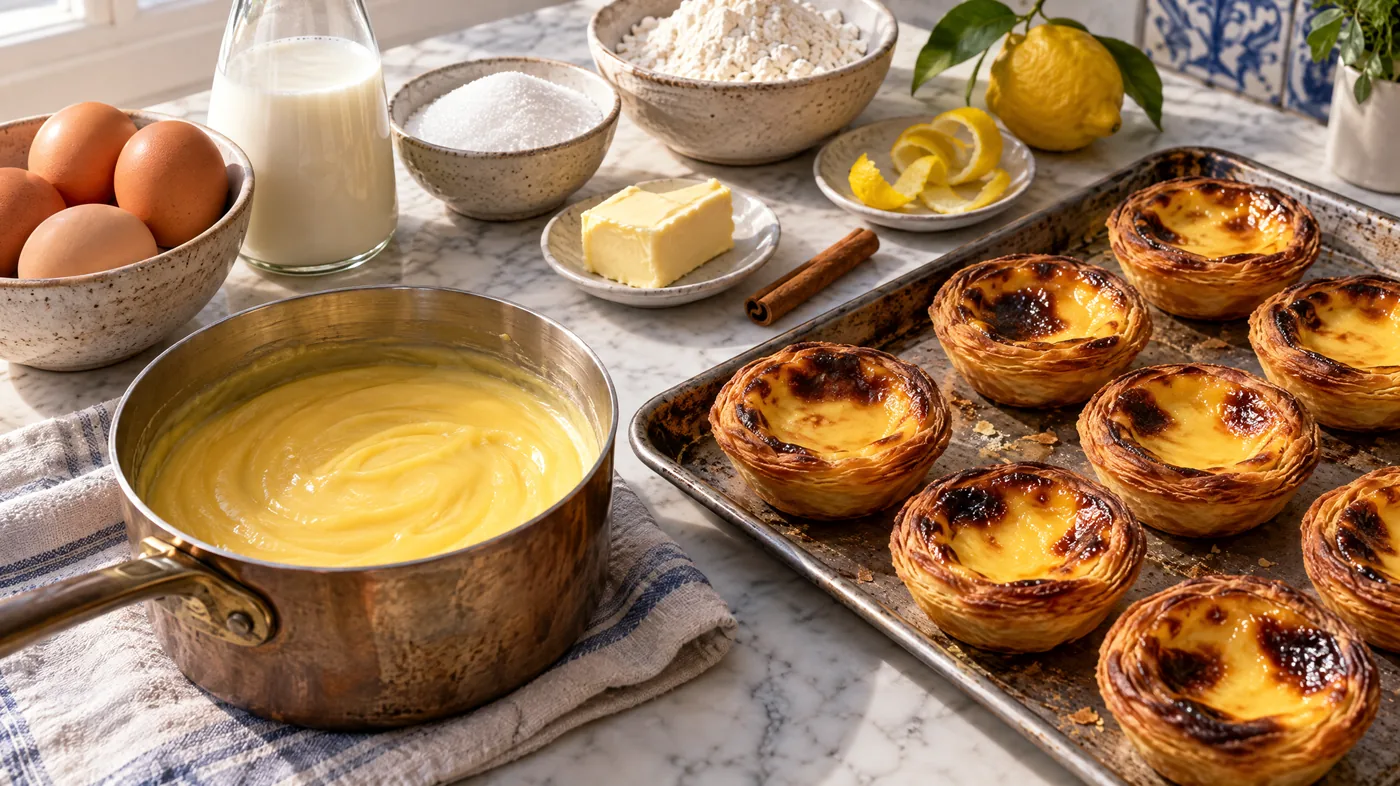
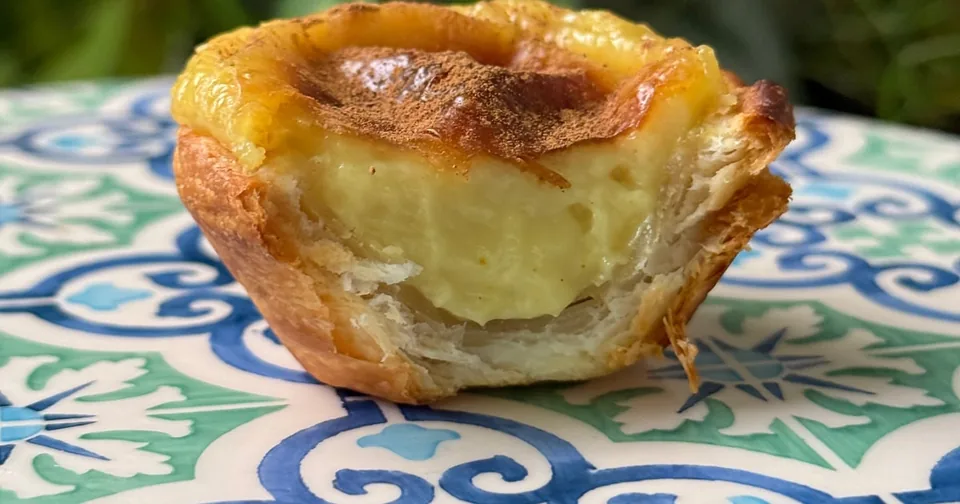
The bakery does not publish its recipe. The base is the same as any pastel de nata: eggs, milk, sugar, lemon and cinnamon in a crisp puff pastry.
Pastéis de Belém says the recipe is passed on and known only to the master confectioners who make the tarts by hand in a secret room. What it does share is the spirit: a careful selection of ingredients and traditional methods. Portuguese Wikipedia lists egg, milk, sugar, lemon and cinnamon as the base.
A good pastel de nata uses the same five. Our pastel de nata recipe gives quantities you can bake at home.
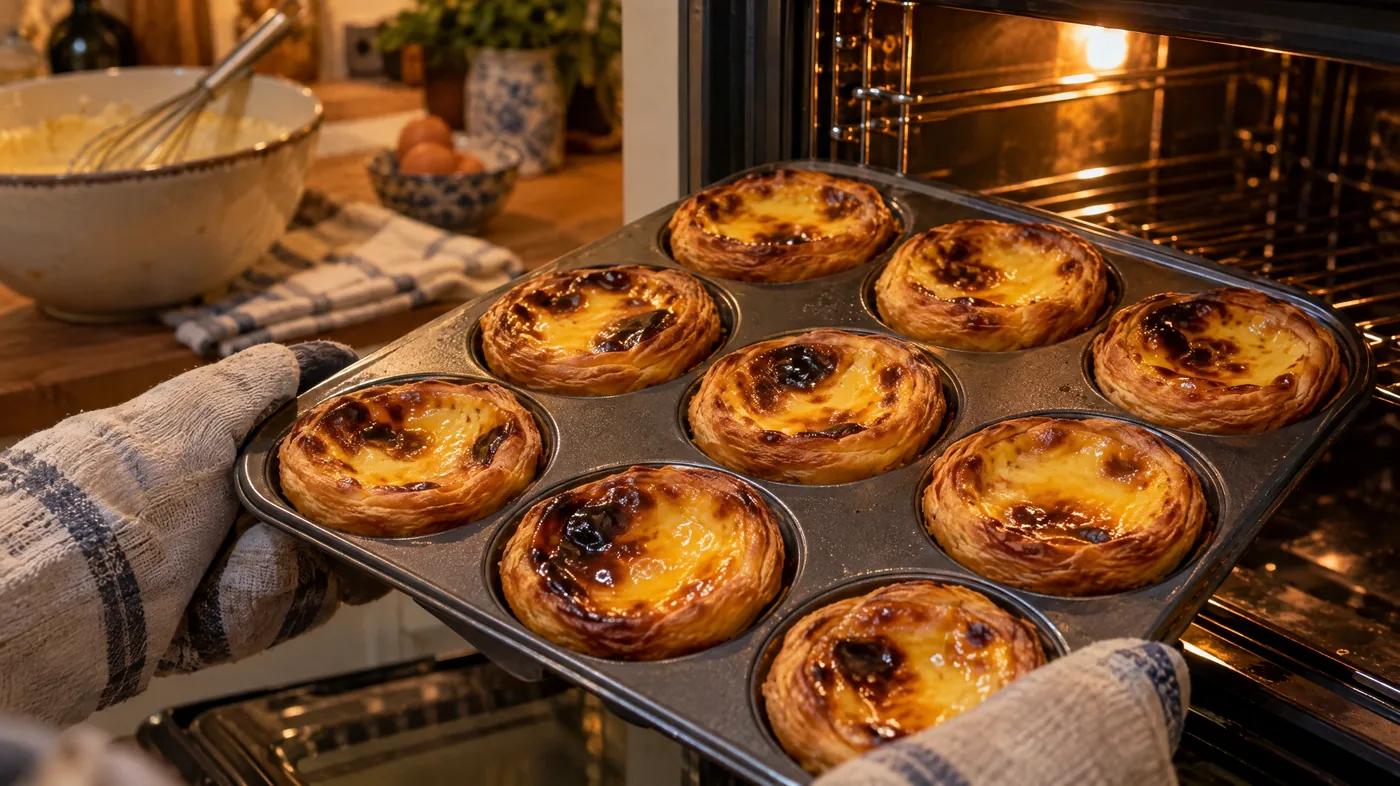
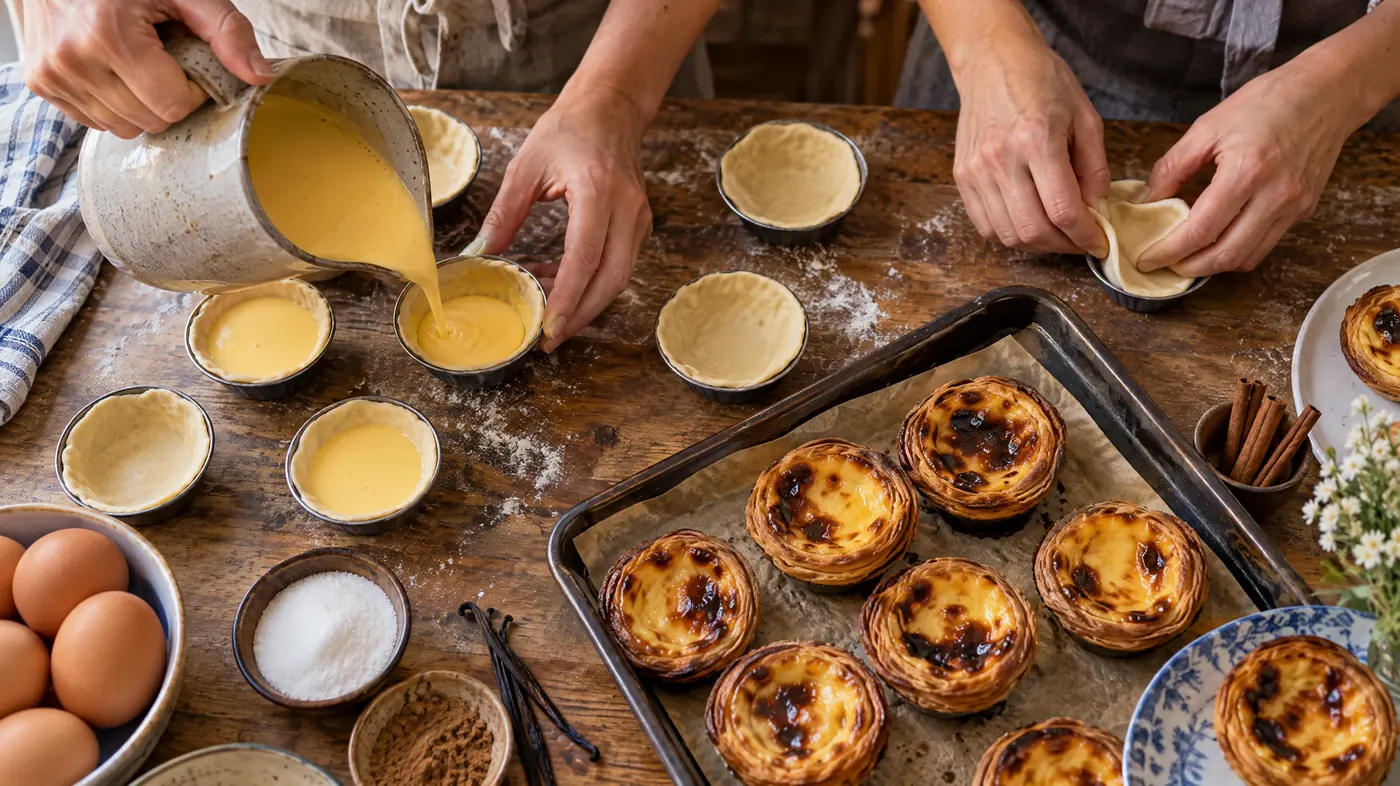
Make the custard and the pastry from scratch in a small kitchen on Rua da Junqueira, a short walk from the Belém bakery. Up to 8 bakers.
Check dates for the small-group class by BelémWho owns Pastéis de Belém?
A private bakery business in Belém, open since 1837. Wikipedia says the descendants of the refinery owners who opened it still own it.
The story starts with a sugar-cane refinery and a small shop next to the Jerónimos Monastery. After the monasteries were closed in 1834, someone from the monastery sold sweet pastries in that shop. In 1837 baking began in buildings attached to the refinery. English Wikipedia says the recipe passed to the refinery's owners and that their descendants own the business to this day.
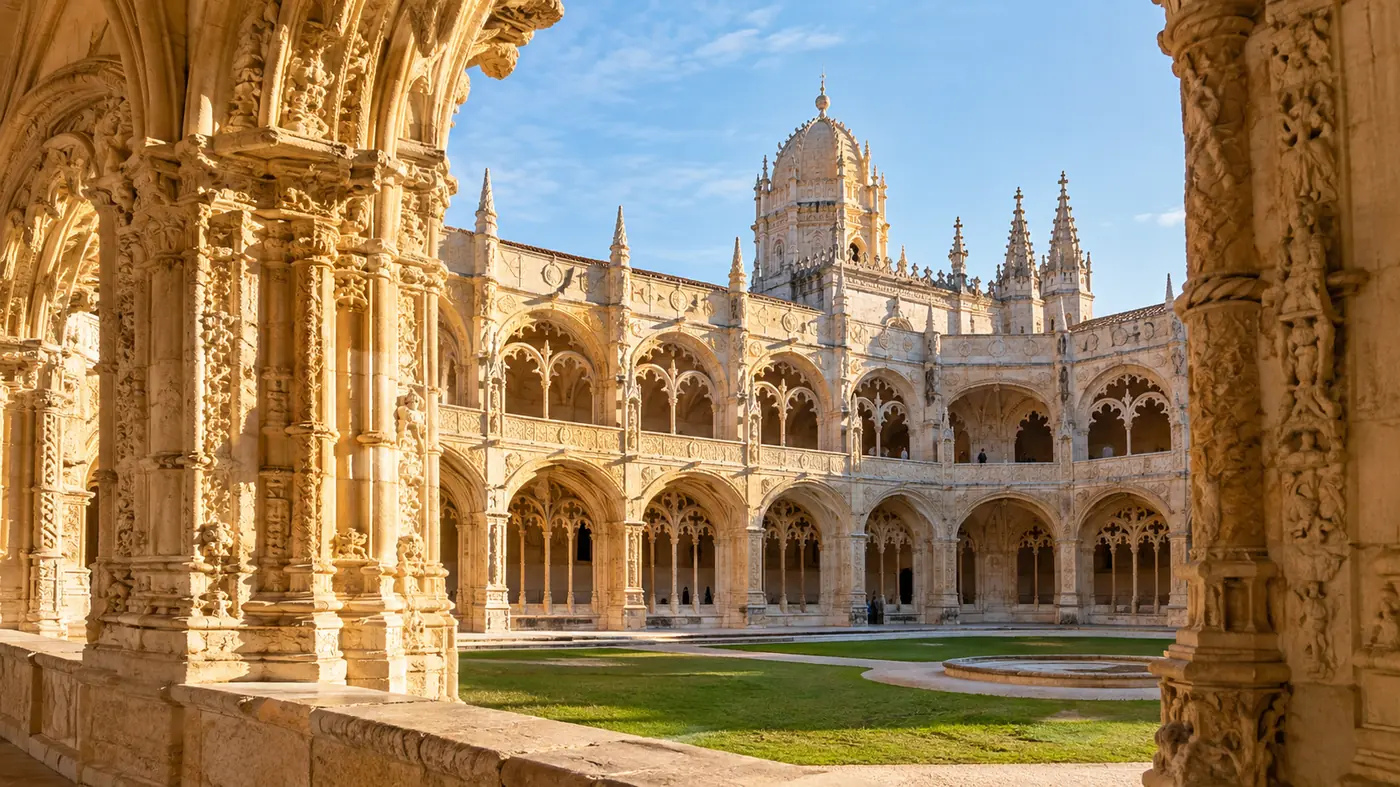
The bakery is at Rua de Belém 84 to 92. It is not linked to any class on this site, and no class teaches its recipe.
Do pastel de nata and pastel de Belém taste different?
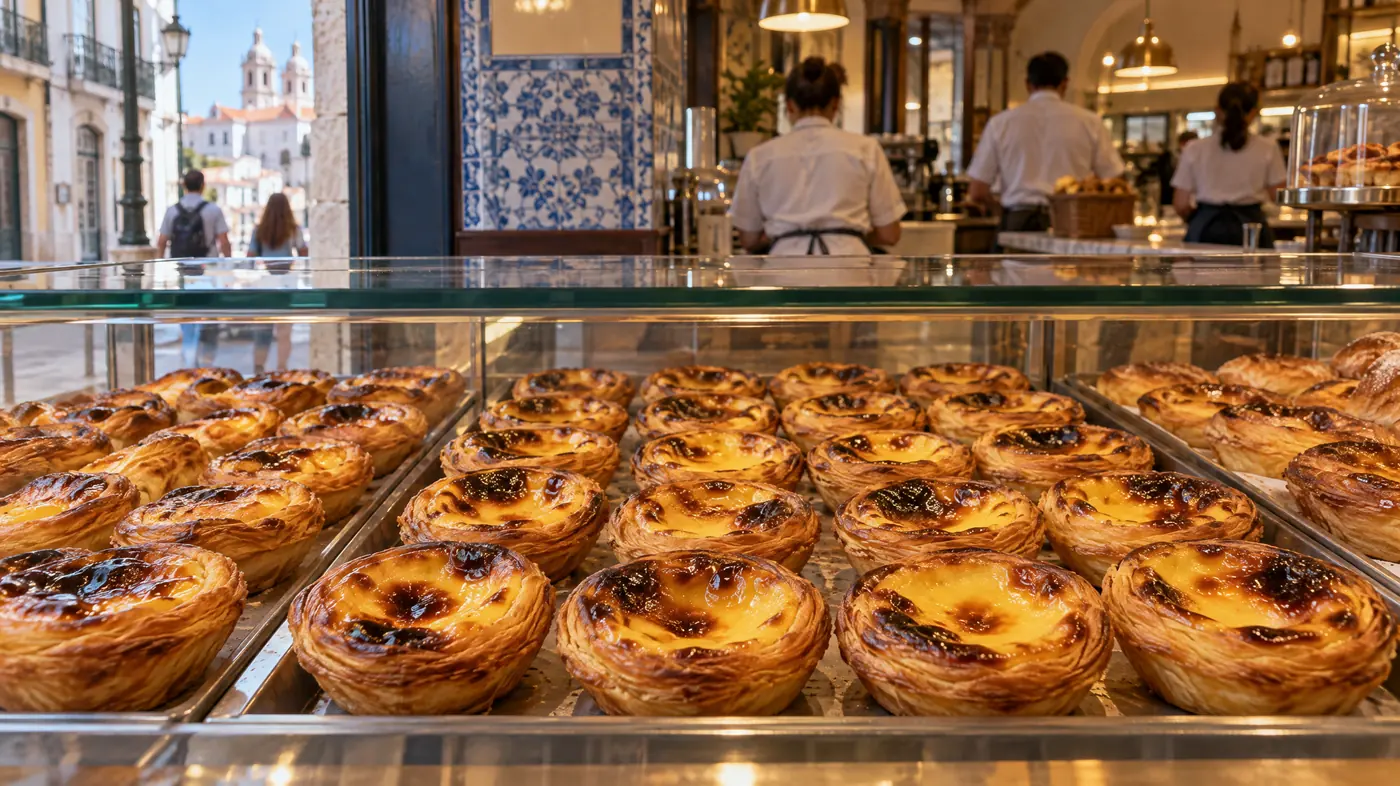
A little. Both are crisp and custardy; the differences come from each bakery's pastry, sweetness and how dark it bakes the top, and they are small enough to start friendly arguments.
The fairest way to compare is side by side, warm, on the same day. The table sets out what is different in practice.
| Pastéis de Belém | Manteigaria | A class tart | |
|---|---|---|---|
| Name | Pastel de Belém | Pastel de nata | Pastel de nata |
| Recipe | Secret, since 1837 | Open, ingredients listed | Yours, with the recipe to take home |
| Where | Rua de Belém 84 to 92 | Chiado, Time Out Market, Belém and more | A class kitchen in Lisbon, Porto or Lagos |
| How served | Warm, cinnamon and icing sugar on the counter | Warm, baked in front of you, a bell for each batch | Straight from a professional oven |
| Booking | No, queue or sit inside | No booking needed | Book a slot, free cancellation up to 24 hours before |
Is Pastéis de Belém worth the queue?
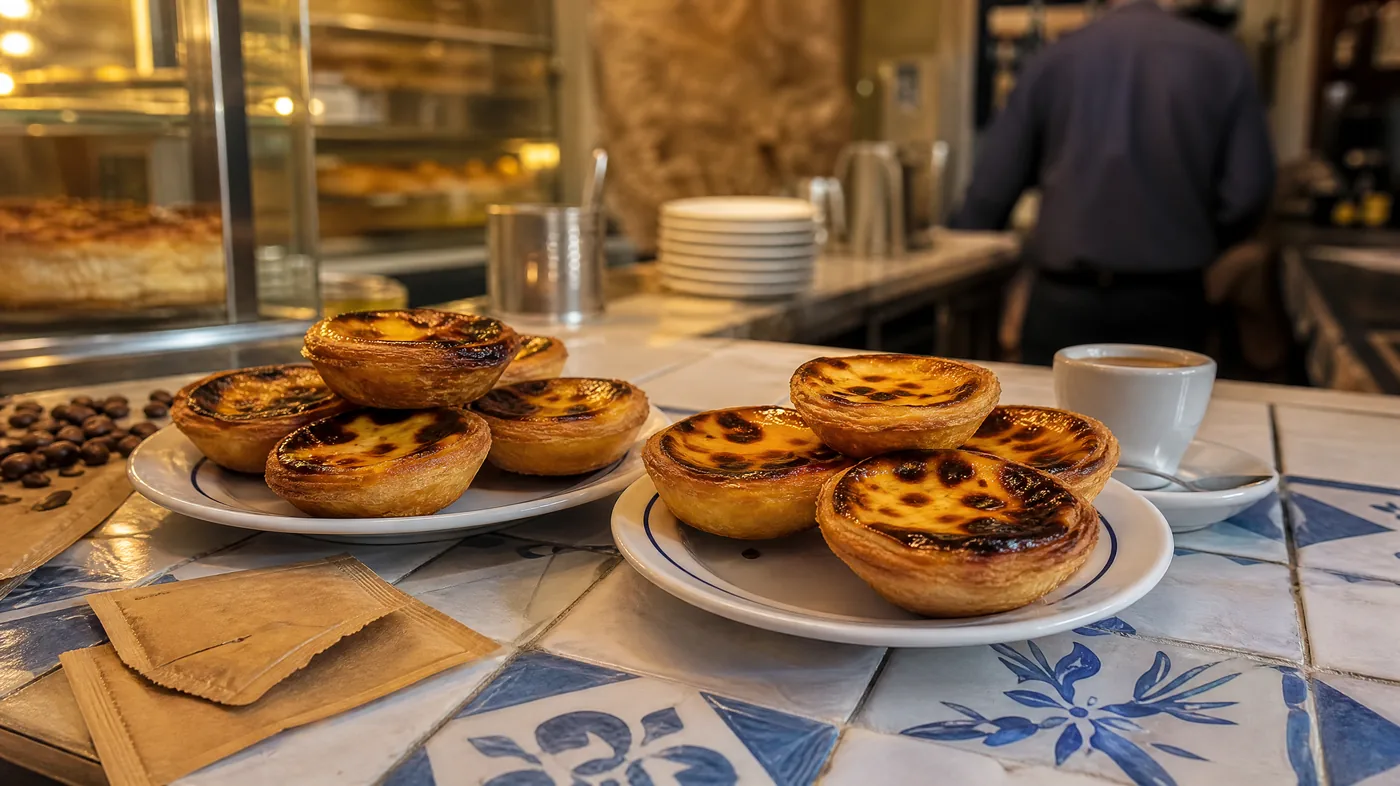
Yes, at least once. The takeaway line moves quickly, and if you would rather sit, walk inside to the tiled rooms where tables turn over fast.
The bakery opens every day at 8 AM and closes at 9 PM, at 10 PM from 1 July to 30 September, and at 7 PM on 24, 25 and 31 December and 1 January. It sells over 20,000 tarts a day, according to Wikipedia, so the tarts come out in constant batches and are usually warm. Travellers on AFAR suggest going inside to eat rather than queuing for takeaway, and shakers of cinnamon and icing sugar stand on the counter.
Order two each. One is never enough after a morning at the monastery.

How do you get to Belém from central Lisbon?
Take tram 15E, the Cascais line train to Belém station or buses 727, 728, 729 and 751. The bakery is a three-minute walk from the Jerónimos Monastery.
The tram runs west along the river from the Baixa and stops right by the bakery. The train from Cais do Sodré is faster and less crowded. Manteigaria's Belém page lists all three routes for its two shops on Rua de Belém, which makes a side-by-side tasting easy.
Plan the bakery for the end of a visit to the monastery and the Belém Tower. Both are a UNESCO World Heritage Site since 1983.

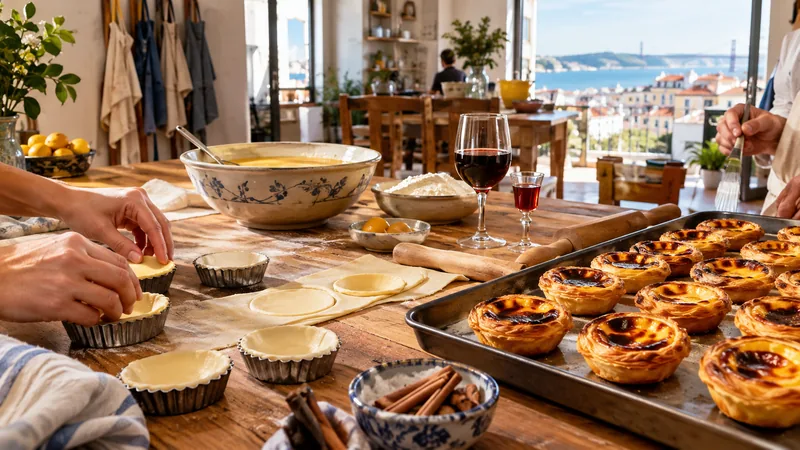
Bake your own tray in a kitchen near Belém, with port, a ginjinha tasting and coffee. Children from 6 are welcome, and guests say kids love it.
Explore the Lisbon baking class Tour detailsCan you learn the Pastéis de Belém recipe in a class?
No. No class has the bakery's recipe; what every class teaches is the pastel de nata, which is the same family of tart.
The class by Belém says it plainly in its listing: they do not own the original recipe, and they trust their chef to teach a tasty, easy one. That honesty is the right frame. You learn the pastry, the custard and the hot-oven trick, and you bake a tray you can repeat at home.
Two classes are close to Belém. The Lisbon baking class is on Rua Aliança Operária, and the small-group class is on Rua da Junqueira, a short walk east of the bakery.
Pastry from scratch, custard, a professional oven and an alcoholic drink while the tarts bake, in a group of eight at most.
Check dates for the small-group class by BelémWhich is better, pastel de nata or pastel de Belém?
There is no official winner. Pastéis de Belém is the original; Lisbon's annual contest, "O Melhor Pastel de Nata", crowned Pastelaria Aloma in 2026.
The contest is for bakeries with their own production in the Lisbon area, judged blind. Aloma won for the third year running, with 7 Desejos second and Casa do Padeiro third. Our best pastel de nata in Lisbon guide maps the bakeries worth the trip, and our blog has the full 2026 contest result.

Frequently asked questions
Is a pastel de Belém the same as a pastel de nata?
It is the same kind of tart. Pastel de Belém is the name only the Pastéis de Belém bakery may use, for tarts made from its own recipe.
Why is it called pastel de Belém?
Because the first tarts were sold in Belém, next to the Jerónimos Monastery. The bakery's pastries became known as Pastéis de Belém in the 1830s.
Do you put cinnamon on a pastel de Belém?
If you like. Cinnamon and icing sugar sit on the counter at the bakery, and Manteigaria says there are no rules about either.
What time does Pastéis de Belém open?
Every day from 8 AM to 9 PM, until 10 PM from 1 July to 30 September, and until 7 PM on 24, 25 and 31 December and 1 January.
Ready to book
Choose your class
Free cancellation up to 24 hours before on every option. Prices are from-prices in USD and move with the season.
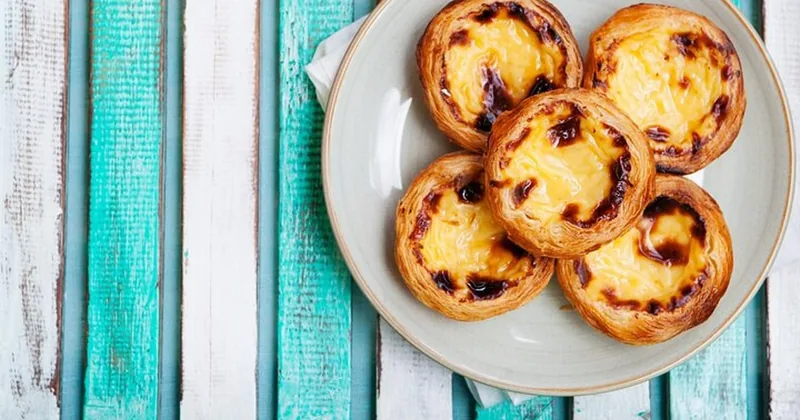
Small-Group Pastéis de Nata Class by Belém
- Pastry-making lesson
- Your own pastéis de nata
- Coffee, tea and water
Lisbon Pastel de Nata Baking Class
- All ingredients and utensils
- Chefs or instructors
- Homemade juice, coffee and water
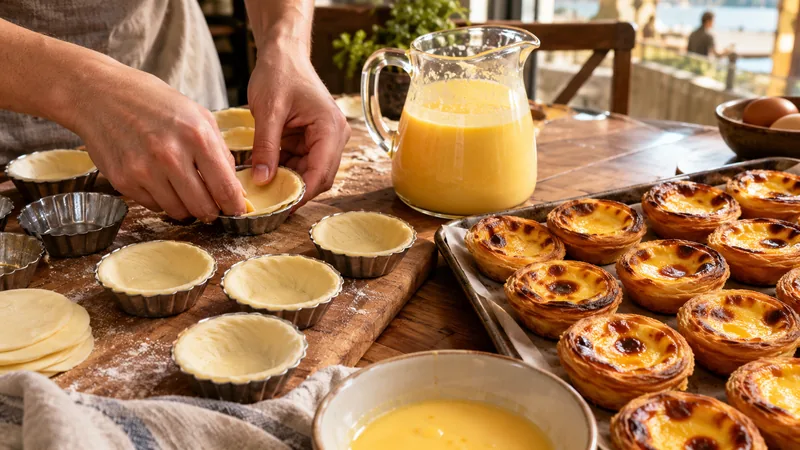
Small-Group Baking Class in Algés
Ten bakers at most, just west of Belém, from pastry to golden tart